Why Traditional Content Formats Fail in AI Search Environments
Your blog post ranks on page one of Google. Your thought leadership piece got 5,000 views on LinkedIn. Your case study won an award. None of it matters if Perplexity and ChatGPT can’t parse it.
AI search engines don’t read content the way Google’s crawlers do. They’re looking for extractable, structured information that can be understood, verified, and synthesised into a conversational response. The narrative flow that makes a blog post compelling to human readers? That’s precisely what makes it difficult for LLMs to extract clean answers.
Research from Aruntastic’s analysis of AI citation patterns shows that Perplexity concentrates 46.7% of its top citations on Reddit, while ChatGPT concentrates 47.9% on Wikipedia. What do these sources have in common? Highly structured information with clear hierarchies, explicit context, and minimal narrative fluff.
The listicle format that SEO experts have championed for years fails when optimising content formats for AI search because it lacks the structured data markers that LLMs prioritise. A “10 Tips for Better Marketing” post might have clear H2 tags, but if each tip is buried in three paragraphs of context and anecdotes, the AI struggles to extract the actual recommendation. It needs the insight served cleanly, with clear attribution and supporting evidence.
The citation problem is even more fundamental. Traditional blog formats rarely include explicit sourcing, date stamps, or methodology transparency. When an LLM can’t verify where information came from or when it was published, it deprioritises that content in favour of sources that provide clear provenance. I’ve seen comprehensive industry analyses with brilliant insights get completely ignored in AI responses whilst shallow but well-structured competitor content gets cited repeatedly.
Take a recent example from a client in the HR tech space. Their 3,000-word thought leadership piece on remote work trends ranked position three on Google for their target keyword. When we tested the same query in Perplexity and ChatGPT, neither mentioned the company once. The content that did get cited? A simple comparison table from a lesser-known competitor that clearly listed remote work statistics with sources and dates. The difference wasn’t quality—it was structure.
Structured Data Formats: The Foundation of AI Discoverability
Comparison tables are the simplest way to make your content formats AI search-friendly, and they’re criminally underused. When someone asks ChatGPT “What’s the difference between marketing automation platforms?”, the LLM needs to extract features, pricing, and differentiators quickly. A prose-based comparison buried in paragraphs doesn’t cut it. A clear HTML table with consistent column headers and comparable data points? That gets cited.
The key is making your tables semantically meaningful. Don’t just slap data into a visual grid. Use proper table markup with <thead> and <tbody> tags. Include clear row and column labels. Keep cell content concise and factual. Each cell should contain a discrete piece of information that can be extracted independently.
Step-by-step frameworks work brilliantly because they map directly to how LLMs reason through problems. When you present “The 5-Stage B2B Content Process,” number each stage explicitly, start with a clear action verb, and include specific outcomes. The AI can then reference “Stage 3” or “The qualification stage” with confidence. Vague process descriptions that blend stages together get ignored.
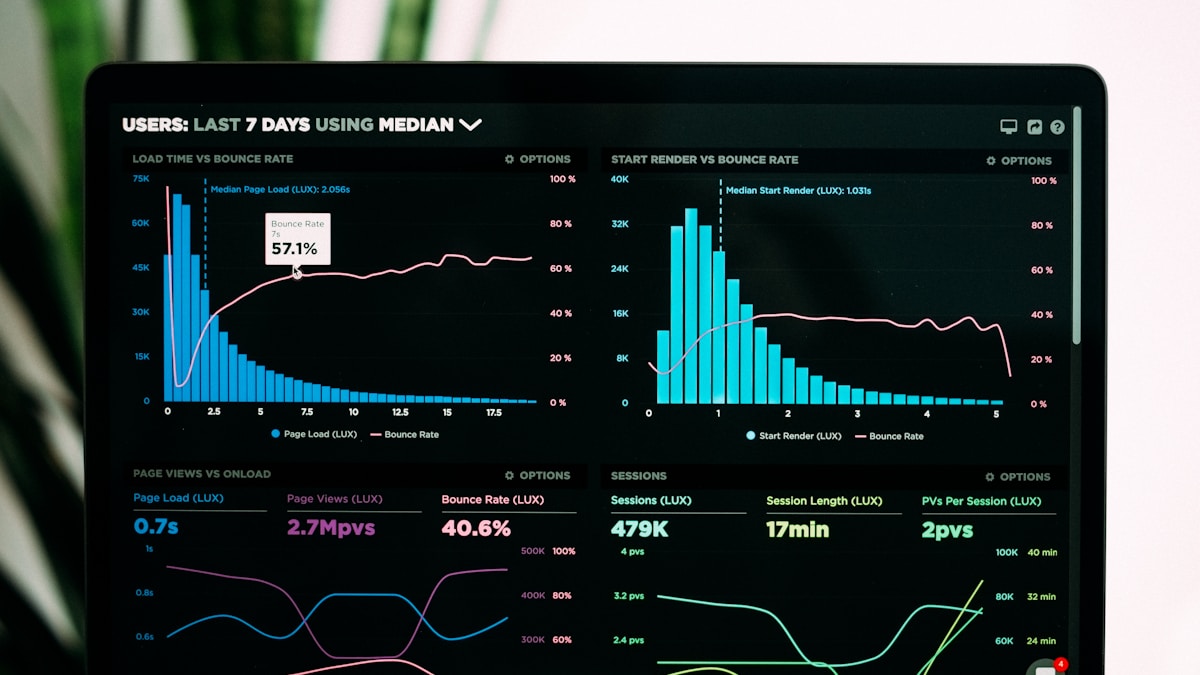
FAQ schemas aren’t just for Google’s rich snippets anymore. They’re essential for AI search visibility because they align perfectly with conversational query structures. When someone asks “How long does B2B content marketing take to show results?”, an FAQ section with that exact question as an H3 heading followed by a concise, factual answer is exactly what Perplexity needs.
Statistical summaries deserve special attention. Don’t just mention trends in passing. Create dedicated sections with explicit data points. According to Forbes Advisor’s 2024 research, 64% of content marketers are already incorporating AI tools into their strategies. Include the percentage, the specific finding, the source, and the year. This level of precision is what separates cited content from ignored content.
Definition boxes for terminology and concept queries are equally powerful. If you’re explaining “AI Answer Engine Optimisation,” don’t embed the definition in paragraph three. Put it in a clearly marked definition section at the top. Use schema markup if possible. Make it unmissable. LLMs actively look for this type of structured explanation when building responses about unfamiliar concepts.
Research-Backed Content Formats for AI Search Authority
Original research is the single most valuable content format for AI search visibility. When you publish survey findings, industry benchmarks, or proprietary data, you create a citable source that AI engines reference repeatedly. The difference between saying “email marketing works” and “email marketing generates measurable ROI based on our survey of 500 B2B companies in Q4 2024” is the difference between invisibility and authority.
The presentation of survey data matters enormously. Don’t bury your methodology in an appendix or skip it entirely. Start with a clear methodology statement: sample size, date range, respondent criteria, margin of error. Then present findings as discrete data points with clear sourcing. “According to our research” followed by a specific statistic is infinitely more citable than a vague claim about industry trends.
Case study structures need optimisation for LLM comprehension. The narrative arc that makes case studies compelling to human readers—the hero’s journey of a customer overcoming challenges—makes it harder for AI to extract the key facts. Lead with structured data: company size, industry, problem statement, solution implemented, quantified results. Put the story elements second, after you’ve served the extractable information.
Methodology transparency isn’t optional anymore. When you make claims based on data, explain exactly how you gathered and analysed that data. This builds algorithmic trust. AI engines are increasingly sophisticated at evaluating source quality, and explicit methodology signals rigour. “We analysed 10,000 LinkedIn posts using sentiment analysis and engagement metrics” beats “We looked at a lot of posts” every time.
Data visualisation formats need to be both human-readable and AI-describable. The chart itself might be an image, but you need accompanying text that describes what the visualisation shows. Include alt text that actually explains the data trend, not just “chart showing results.” Add a caption that states the key finding. Give the AI multiple ways to understand and reference your data.
Benchmark reports establish category leadership by defining standards within your industry. When you publish annual research with proprietary findings, clear metrics, and comparative data, you’re creating a reference document that gets cited repeatedly across AI platforms. Structure these reports with executive summaries, methodology sections, key findings highlighted separately, and year-over-year comparisons where possible. Make every data point extractable and independently citable.
Interactive and Calculator-Based Content That Commands Citations
ROI calculators generate persistent AI mentions because they solve high-intent commercial queries with precision. When someone asks “What’s the ROI of marketing automation?”, a generic blog post gives them theory. A calculator gives them a personalised answer based on their inputs. That’s why AI engines cite calculator tools repeatedly—they’re solving the query definitively.
The structure of your calculator matters as much as its existence. Make sure input fields are clearly labelled with units and ranges. Display outputs with explicit labels (“Your estimated annual ROI: £45,000”). Include methodology explanations that show how calculations work. Tools like Geo Engine help B2B teams create geographically-targeted content experiences that perform exceptionally well in AI search results, as they provide structured, location-specific data that LLMs can easily parse and cite.
Assessment tools position your brand as the definitive resource for a specific domain. A “Content Marketing Maturity Assessment” that evaluates responses and provides scored results becomes the reference point that AI engines cite when users ask about content marketing maturity. The key is making results meaningful and actionable, not just vanity scores. Include clear scoring criteria, benchmark comparisons, and specific recommendations based on assessment outcomes.

Comparison engines answer the “versus” queries that dominate commercial search. “Salesforce vs HubSpot,” “Content marketing vs demand generation,” “In-house vs agency”—these queries need structured comparison data. When you build a comparison engine that lets users filter by criteria and see side-by-side results, you create the default reference point for that category. Include pricing ranges, feature matrices, use case recommendations, and integration capabilities in machine-readable formats.
Cost analysis tools capture high-intent queries from buyers trying to budget for solutions. A “B2B Content Marketing Budget Calculator” that breaks down costs by channel, team size, and scope becomes incredibly valuable in AI search results. Make sure your tool includes ranges, assumptions, and explanations—not just a final number. Provide context about what drives costs up or down, and offer alternative scenarios that users can explore.
Expert Roundups and Multi-Perspective Content Formats
Aggregated expert opinions increase topical authority signals because they demonstrate breadth of research and diverse perspectives. When you compile insights from 10 industry leaders on a specific topic, you’re creating a resource that’s more comprehensive than any single perspective. AI engines recognise this and weight multi-source content more heavily when generating responses.
The structure of expert roundups matters for content formats in AI search. Don’t just paste quotes randomly. Ask each expert the same core questions, then organise responses by theme or question. Include clear attribution with each expert’s title, company, and a link to their profile or website. This explicit sourcing is what makes the content citable. Use consistent formatting—perhaps a heading for each expert with their credentials, followed by their response in a distinct visual style.
Interview-based content structures enhance entity recognition—the AI’s ability to understand who’s being quoted and why they matter. When you interview someone, include a proper introduction that establishes their credentials. Use structured markup to identify the interviewer and interviewee. Present the conversation in a clear Q&A format rather than embedding quotes in prose. This makes it trivial for an LLM to extract “According to [Expert Name], [Title] at [Company]…” citations.
Debate-style formats that present multiple perspectives on contentious topics cover query variations comprehensively. If there’s genuine disagreement about “whether B2B brands should use TikTok,” present both arguments clearly with supporting evidence. AI engines appreciate content that acknowledges complexity rather than pushing a single narrative. Structure these with clear “Argument For” and “Argument Against” sections, followed by supporting data and use cases for each position.
Year-in-review compilations become temporal reference points that AI engines cite when answering time-specific queries. “What were the major marketing trends in 2024?” needs a comprehensive, well-structured roundup with clear sections, specific examples, and supporting data. The format should make it trivially easy for an LLM to extract “Trend 3: AI-powered personalisation” with context. Include month-by-month developments where relevant, and quantify adoption rates or market shifts with cited sources.
Technical Documentation and Reference Content
API documentation styles work brilliantly for AI search because they prioritise clarity, structure, and completeness. Even if you’re not documenting an API, adopting that format—clear endpoints (topics), explicit parameters (concepts), example requests (scenarios), and expected responses (outcomes)—makes your content dramatically more citable. This approach eliminates ambiguity and presents information in the exact structure LLMs prefer.
Glossary and taxonomy pages build semantic relationship mapping that AI engines use to understand topic hierarchies. When you create a comprehensive glossary that defines terms and links related concepts, you’re helping the AI understand how ideas connect. Don’t just define terms in isolation—show relationships and hierarchies. Include “See also” references, parent-child category relationships, and contextual usage examples for each term.
Specification sheets and technical comparison formats answer the detailed product queries that buyers ask during evaluation. “What are the technical requirements for marketing automation platforms?” needs a structured answer with clear categories: system requirements, integration capabilities, security certifications, compliance standards. Present these as tables or definition lists, not prose. Each specification should be independently extractable with clear labels.
Troubleshooting guides structured as decision trees map perfectly to how users ask problem-solving queries. “Why isn’t my content getting cited in AI search?” followed by a diagnostic flowchart with clear branches creates exactly the structure an LLM needs to walk someone through solutions. Each decision point should be explicit, and each outcome should link to relevant solutions. Use conditional formatting: “If X, then Y” statements that AI can parse and recreate in conversational responses.
Integration guides capture implementation-focussed searches from users who’ve already decided to use your approach and need execution details. “How to optimise content for Perplexity” requires step-by-step instructions with prerequisites, clear actions, expected outcomes, and verification steps. This format is inherently structured and highly citable. Number each step, include time estimates, list required resources upfront, and provide checkpoints users can verify as they progress.
Optimising Your Content Formats for Cross-Platform AI Search
Schema markup isn’t optional for AI search visibility—it’s foundational. Implement Article, HowTo, FAQ, and Dataset schemas depending on your content type. This structured data helps AI engines understand your content’s purpose, organisation, and key elements without having to parse unstructured text. According to research on e-commerce content optimisation for AI search, explicit markup and consistent naming conventions help models connect mentions across sources.
Multi-format content distribution means creating the same core insight in multiple formats optimised for different platforms. Your research findings should exist as a detailed report (for depth), an infographic (for visual platforms), a data table (for AI extraction), and a summary thread (for social citation). Each format serves a different discovery mechanism. The data table gets cited by ChatGPT, the infographic spreads on LinkedIn, and the detailed report establishes authority on your site.
Update frequency and freshness signals maintain AI visibility over time. Research shows that organic click-through rates are predicted to decrease by 25% by 2026 because of AI Overviews. Static content gets deprioritised. Add “Last updated” timestamps visible to both users and crawlers. Refresh statistics annually. Add new examples quarterly. Signal to AI engines that your content remains current and relevant, particularly for rapidly evolving topics like AI search itself.
Internal linking architecture reinforces topical authority by showing the AI how your content relates to broader themes. Don’t just link randomly. Create hub pages that comprehensively cover a topic, then link to detailed subtopic pages. Use descriptive anchor text that tells both users and AI engines exactly what the linked page covers. This semantic relationship mapping helps AI understand your domain expertise and increases the likelihood of citation clusters—where multiple pieces of your content get referenced for related queries.
Performance measurement frameworks for AI search visibility require different metrics than traditional SEO. Track citation frequency across AI platforms using monitoring tools that detect brand mentions in AI responses. Monitor which content formats get referenced most often—this reveals what’s working in your specific niche. Measure the accuracy of AI-generated summaries of your content, as inaccurate citations signal structure problems. Use tools that can detect when your brand or content appears in AI responses, not just traditional search results.
Cross-referencing and citation hygiene strengthen your content’s credibility with AI engines. When you cite external sources, link to the original research, not secondary coverage. Include publication dates and author credentials. When you reference your own previous work, create explicit connections with contextual anchor text. This web of citations helps AI engines understand your body of work as an interconnected knowledge base rather than isolated articles.
The shift to AI search doesn’t mean abandoning everything you know about content strategy. It means adapting formats to serve both human readers and AI comprehension. According to SparkToro’s 2024 research, Google still receives approximately 373 times as many searches as ChatGPT, but the gap is narrowing as AI adoption accelerates. The brands winning in this environment are those treating structured data, explicit sourcing, and format optimisation as core content requirements—not afterthoughts.
Ready to Transform Your Content Formats for AI Search Visibility?
The content formats that perform in Perplexity and ChatGPT aren’t radically different—they’re radically better structured. If you’re still publishing content optimised solely for traditional search, you’re leaving visibility on the table.
Explore Geo Engine to see how AI GTM Studio’s platform helps B2B teams create structured, geographically-targeted content that performs across AI search platforms, or book a free strategy call to discuss how we can help you audit your existing content and build a format strategy that drives citations.
Leave a Reply